After months of beta testing, Apple has rolled out macOS 10.15 Catalina to public users. You can download and install macOS Catalina if you have a compatible Mac. The macOS Catalina brings tons of new features such as the Apple Arcade, Screen Time, Voice Control, Sidecar, and Find My app. It has also replaced iTunes with three independent apps – Apple Music, Apple Podcasts, and Apple TV.

Is your Mac compatible with macOS Catalina?
Here’s the list of Mac devices compatible with the new software update:
Download macOS Catalina (or another version) from the Mac App Store. Apple itself maintains a list of older software, which you can find via the official Apple Support download page. This is system software for your older Mac, but you will also find security updates and older versions of QuickTime, Safari, iMovie, Pages, Keynote and the like. Once the download is complete, click on the download manager at the top-right corner of the Safari window and double-click on the file. This will open up a new window. Click on “macOS Catalina Patcher” to proceed further. Click on “Continue” to begin with the macOS Catalina installation procedure. Next, click on “Download a Copy” to.
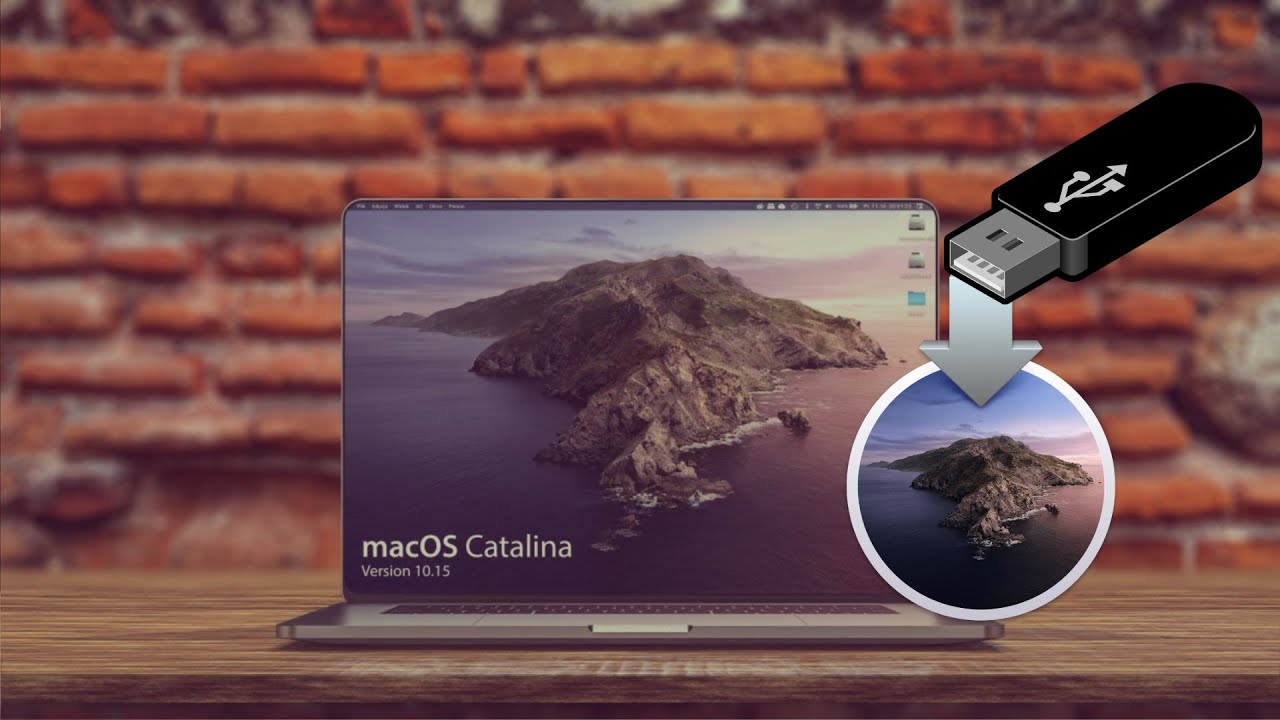
This contains the.app installers for Mac OS X 10.9 Mavericks - 10.15 Catalina. Flash the.app file to a USB Stick using the provided copy of Install Disk Creator. Boot to the USB Stick. Set the date back using the setup terminal using the date command. Install as normal. MacOS Catalina Patcher lets you install macOS Catalina on Mac computers that are no longer officially supported. It can help you create a bootable USB drive that can be used to install macOS Catalina on Mac computers older than mid 2012. Create a macOS Catalina bootable USB drive using this handy guide. The USB drive can be used to upgrade a Mac, clean install macOS or for recovery purposes.
- MacBook (Early 2015 or later)
- MacBook Air (Mid 2012 or later)
- MacBook Pro (Mid 2012 or later)
- Mac mini (Late 2012 or later)
- iMac (Late 2012 or later)
- iMac Pro (2017)
- Mac Pro (Late 2013 or later)
How to clean install the new software update
Upgrading to macOS 10.15 Catalina is pretty simple. Tap on the Apple icon in the top-left corner of the screen, then go to System Preferences > Software Update to download it. Alternatively, you can download it directly from the Mac App Store.
But sometimes upgrading macOS from the previous version to the latest one is not the best way. You might want to clean install macOS Catalina to give your Mac a fresh start without any issues from the previous installation. Here’s how to clean install macOS Catalina from USB drive:
Steps to install
- Take a full backup of all your important data. Save it to the cloud or an external drive
- You have to create a bootable USB drive. Here’s how you can create it. Make sure the USB drive is at least 8GB in size, and nothing else is stored on it
- Download the macOS Catalina installation file using this link
- Turn off the Mac and then insert the bootable USB drive
- Now turn the Mac back on while holding the Option key
- It will take you to the boot menu where you can select the USB drive. If your Mac has the T2 security chip, you have to first enable booting via external drives from macOS Recovery
- After a while, you’ll see the macOS Utilities menu on the screen. Select Disk Utility and then Continue
- Check to make sure you’ve selected the main drive of your Mac. Also ensure that the format is set as APFS or Mac OS Extended
- Now click Erase to wipe out the drive
- Once the drive has been erased, select Install macOS and then Continue. Just follow the on-screen prompts to clean install macOS Catalina
Once you’ve successfully installed the new software, you can transfer all your data back from the cloud or external storage drive to the Mac. Also, head over to the Mac App Store and re-install all the apps you want.
These advanced steps are primarily for system administrators and people who are familiar with the command line. You don't need a bootable installer to upgrade macOS or reinstall macOS, but it can be useful when you want to install it on multiple computers without having to download the installer each time.
What you need to create a bootable installer
Download Macos Catalina Bootable Usb On Windows
- A USB flash drive or other secondary volume formatted as Mac OS Extended, with at least 14 GB of available storage
- A downloaded installer for macOS Big Sur, Catalina, Mojave, High Sierra or El Capitan
Download macOS
- Download: macOS Big Sur, macOS Catalina, macOS Mojave or macOS High Sierra
These will be downloaded to your Applications folder as an app called Install macOS [version name]. If the installer opens after download, quit it without continuing the installation. To get the correct installer, download from a Mac that is using macOS Sierra 10.12.5 or later, or El Capitan 10.11.6. For enterprise administrators, please download from Apple, not a locally hosted software update server. - Download: OS X El Capitan
This will be downloaded as a disk image called InstallMacOSX.dmg. On a Mac that is compatible with El Capitan, open the disk image and run the installer within, which has the name InstallMacOSX.pkg. It installs an app named Install OS X El Capitan into your Applications folder. You will create the bootable installer from this app, not from the disk image or .pkg installer.
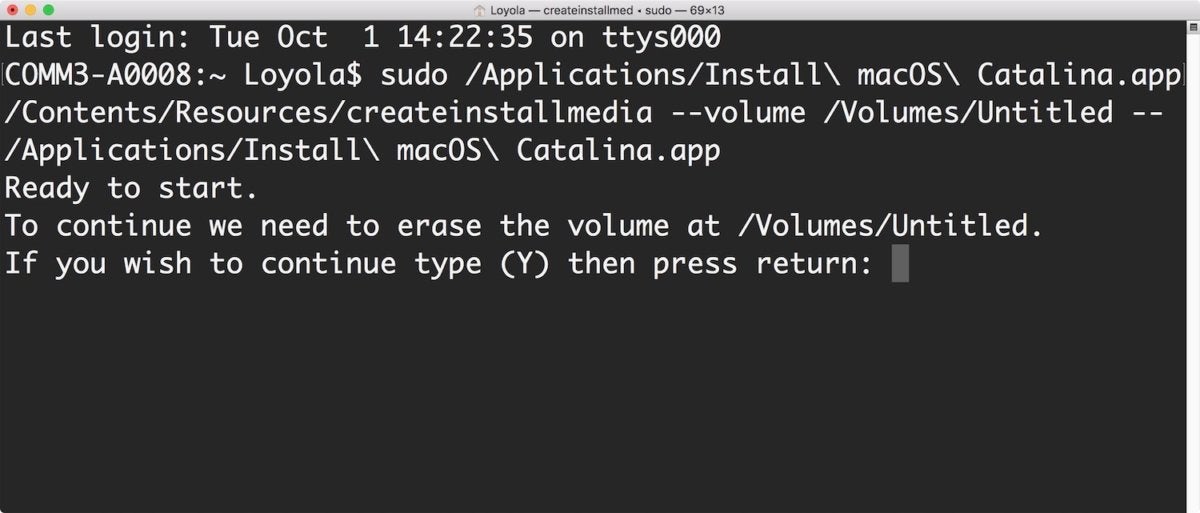
Use the 'createinstallmedia' command in Terminal
Macos Catalina Download Usb
- Connect the USB flash drive or other volume that you're using for the bootable installer.
- Open Terminal, which is in the Utilities folder of your Applications folder.
- Type or paste one of the following commands in Terminal. These assume that the installer is in your Applications folder and MyVolume is the name of the USB flash drive or other volume you're using. If it has a different name, replace
MyVolumein these commands with the name of your volume.
Big Sur:*
Catalina:*
Mac Os Catalina Download Usb Stick

Mojave:*
High Sierra:*
El Capitan:
* If your Mac is using macOS Sierra or earlier, include the --applicationpath argument and installer path, similar to the way this was done in the command for El Capitan.
After typing the command:
- Press Return to enter the command.
- When prompted, type your administrator password and press Return again. Terminal doesn't show any characters as you type your password.
- When prompted, type
Yto confirm that you want to erase the volume, then press Return. Terminal displays the progress as the volume is being erased. - After the volume has been erased, you may see an alert stating that Terminal would like to access files on a removable volume. Click OK to allow the copy to proceed.
- When Terminal says it's finished, the volume will have the same name as the installer you downloaded, such as Install macOS Big Sur. You can now quit Terminal and eject the volume.
Use the bootable installer
Determine whether you're using a Mac with Apple silicon, then follow the appropriate steps:
Apple silicon
- Plug the bootable installer into a Mac that is connected to the Internet and compatible with the version of macOS you're installing.
- Turn on your Mac and continue to hold the power button until you see the startup options window, which shows your bootable volumes.
- Select the volume containing the bootable installer, then click Continue.
- When the macOS installer opens, follow the onscreen instructions.
Intel processor
- Plug the bootable installer into a Mac that is connected to the Internet and compatible with the version of macOS you're installing.
- Press and hold the Option (Alt) ⌥ key immediately after turning on or restarting your Mac.
- Release the Option key when you see a dark screen displaying your bootable volumes.
- Select the volume containing the bootable installer. Then click the up arrow or press Return.
If you can't start up from the bootable installer, make sure the External Boot setting in Startup Security Utility has been set to allow booting from external media. - Choose your language, if prompted.
- Select Install macOS (or Install OS X) from the Utilities window, then click Continue and follow the onscreen instructions.
Learn more
A bootable installer doesn't download macOS from the Internet, but it does require an Internet connection to get firmware and other information specific to the Mac model.
Macos Catalina Download Usb
For information about the createinstallmedia command and the arguments you can use with it, make sure the macOS installer is in your Applications folder, then enter the appropriate path in Terminal: